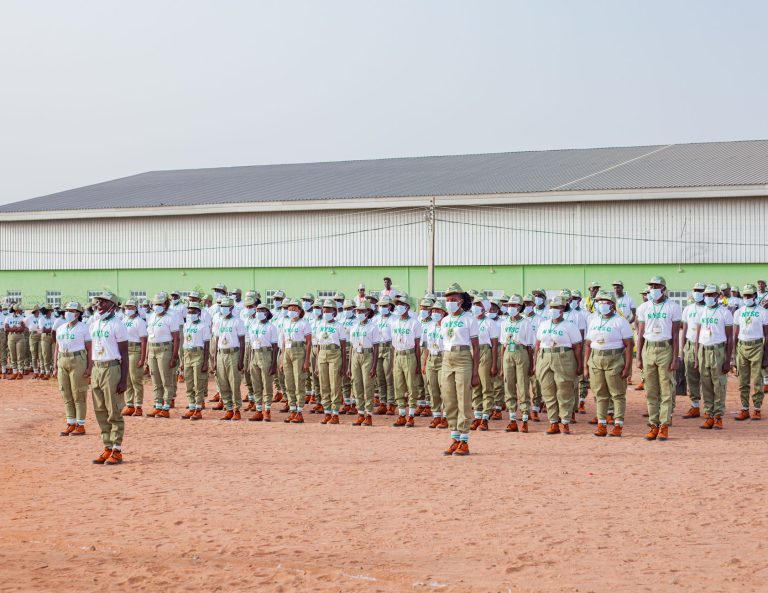
Logistics firms hiring has surged as companies bulk up their capacity to handle heavier festival loads. This trend reflects the growing demand for efficient supply chain solutions during peak seasons.
Current Trends in Logistics Hiring
As the festival season approaches, logistics firms hiring has become a critical focus for businesses aiming to meet soaring demand. Recent trends indicate that many companies are expanding their workforce to enhance operational efficiency and ensure timely delivery of goods during peak periods.
One of the most notable trends is the shift towards hiring seasonal workers. Logistics companies are increasingly seeking individuals who can manage increased workloads, particularly during major events. This strategy allows firms to scale their operations quickly without the long-term commitment of permanent hires.
Additionally, firms are investing in training programs to equip new hires with the necessary skills for the fast-paced logistics environment. This investment not only improves service delivery but also boosts employee retention by creating a more knowledgeable workforce.
Another emerging trend is the use of technology in recruitment. Many logistics firms are leveraging online platforms to attract talent, making the hiring process more efficient. This approach allows companies to reach a wider audience and quickly identify candidates who meet their specific needs.
As the competition intensifies, logistics firms are also focusing on enhancing workplace culture to attract top talent. Initiatives such as flexible work hours and incentives for performance are becoming common, reflecting a broader understanding of the importance of employee satisfaction in operational success.
Impact of Festivals on Logistics
The impact of festivals on logistics is profound, as these events create a surge in demand for transportation and delivery services. During festival seasons, logistics firms hiring practices must adapt to the increased volume of goods that need to be moved efficiently and effectively.
Many logistics companies experience a significant uptick in business due to:
- Increased Inventory Needs: Retailers and suppliers often stock up on inventory to meet consumer demands during festivals, leading to a higher volume of shipments.
- Shorter Delivery Windows: With the urgency of delivering goods in time for celebrations, logistics providers must streamline their operations to ensure timely deliveries.
- Specialized Transportation: Certain products, such as perishables or large equipment for events, require specialized logistics solutions, prompting firms to hire additional skilled workers who can manage these unique needs.
As a result, logistics firms are not only increasing their workforce but also enhancing their capabilities to handle heavier festival loads. Companies are investing in technology and training to prepare for the seasonal spikes, ensuring they can meet the challenges presented by large-scale events. This strategic hiring not only boosts operational efficiency but also helps logistics firms maintain a competitive edge in a bustling market.
Strategies for Hiring in Logistics
As logistics firms hiring ramps up to meet the surge in demand during festival seasons, companies are adopting various strategies to secure the best talent. The following approaches have proven effective in attracting skilled workers:
- Flexible Work Arrangements: Offering flexible schedules or remote work options can significantly enhance the appeal of job openings. This flexibility accommodates candidates’ personal commitments, making positions more attractive.
- Competitive Compensation Packages: To stand out in a competitive market, logistics firms are increasing wages and providing additional benefits such as overtime pay and bonuses for peak festival periods.
- Streamlined Recruitment Processes: Implementing efficient hiring practices, such as fast-tracking interviews and leveraging technology for virtual assessments, helps firms fill vacancies quickly without compromising on the quality of hires.
- Training and Development: Providing comprehensive training programs not only equips new hires with necessary skills but also demonstrates a company’s commitment to employee growth, which can be a powerful attraction factor.
- Partnerships with Educational Institutions: Collaborating with local colleges and vocational schools can create a pipeline of talent. Internships or co-op programs can help students gain practical experience while allowing firms to evaluate potential hires.
By implementing these strategies, logistics firms hiring can better meet the heightened demands of festival seasons, ensuring efficient operations and customer satisfaction.
Challenges Faced by Logistics Firms
Logistics firms hiring face several challenges as they prepare to meet the increased demand during festival seasons. One significant hurdle is the fluctuating nature of workforce requirements. With festivals leading to a temporary spike in demand, companies must balance between hiring enough staff to manage the surge and avoiding overstaffing post-festivities.
Additionally, the competition for skilled workers is intense. As logistics firms ramp up hiring, they not only compete with each other but also with other industries that require seasonal labor. This competition can drive up wages and make attracting qualified candidates more difficult.
Furthermore, logistics companies often grapple with the need for specialized training. While many workers can be onboarded quickly, those handling delicate or high-value items may require more extensive training, which can slow down the hiring process. This is particularly relevant during festivals when the stakes are higher and errors can be costly.
Another challenge lies in the geographic distribution of demand. Festivals are often concentrated in specific regions, prompting logistics firms to consider hiring strategies that account for regional workforce availability and mobility.
In summary, while logistics firms hiring to meet festival demand is essential, they must navigate complex challenges including workforce fluctuations, competition for talent, training needs, and regional distribution of labor.
Future of the Logistics Workforce
The future of the logistics workforce is poised for transformation as firms adapt to the demands of a rapidly changing market. With the rise in e-commerce and the increasing frequency of festivals, logistics firms hiring has become a crucial aspect of their growth strategy. As consumer expectations evolve, these firms must ensure they are equipped with a skilled and adaptable workforce.
One significant trend is the emphasis on technology integration within logistics operations. Automation and data analytics are becoming essential tools for enhancing efficiency and managing inventory more effectively. By investing in technology, logistics firms can streamline their processes and reduce the burden on their workforce during peak periods, such as festivals.
Moreover, a focus on employee training and development is emerging as a priority for many logistics companies. As new technologies are adopted, firms must provide their employees with the necessary skills to thrive in this changing landscape. This commitment to workforce development not only improves job satisfaction but also enhances productivity and retention rates.
The demand for flexible work arrangements is also shaping the future of the logistics workforce. Many companies are exploring hybrid models that allow for both in-person and remote work, appealing to a broader range of job seekers. By embracing these changes, logistics firms can better position themselves to meet the growing demands of their clients while ensuring a sustainable and capable workforce for years to come.
Importance of Capacity Planning
Effective capacity planning is crucial for logistics firms hiring to meet the surge in demand during festival seasons. As festivals often lead to a significant increase in shipment volume, companies must adapt their operations to ensure smooth logistics processes. This planning involves not only assessing the current capacity but also forecasting future needs based on historical data, market trends, and upcoming events.
One key aspect of capacity planning is understanding peak periods. Festivals can create unpredictable spikes in demand, necessitating a proactive approach to hiring and resource allocation. Companies should evaluate their staffing levels, ensuring they have enough personnel to handle increased workloads without compromising service quality.
Furthermore, logistics firms must invest in technology to enhance their planning capabilities. Utilizing advanced software systems can streamline operations, providing real-time insights and helping to predict demand fluctuations. This data-driven approach allows firms to make informed decisions regarding hiring and resource management.
Additionally, engaging with temporary staffing agencies can provide the flexibility needed to scale operations quickly. By having a pool of trained workers ready to step in during high-demand periods, logistics firms can efficiently navigate the challenges posed by festivals.
In conclusion, prioritizing capacity planning enables logistics firms hiring to not only meet the demands of festival seasons but also to maintain operational efficiency and customer satisfaction.
How Festivals Influence Supply Chain
Festivals play a significant role in shaping the demand for logistics services, prompting logistics firms hiring to adapt to the unique challenges presented during peak seasons. As events attract large crowds, the need for efficient supply chain management becomes even more critical. This surge in demand necessitates an increase in workforce and capacity, leading logistics companies to implement strategic hiring practices.
During festival periods, logistics firms face several challenges, including:
- Increased Volume: The sheer volume of goods required can overwhelm existing resources.
- Time Sensitivity: Deliveries must be timely to ensure that supplies reach vendors before events commence.
- Varied Demand: Different festivals may necessitate different types of products and services, leading to fluctuating hiring needs.
- Last-Minute Changes: Event organizers may alter requirements close to the festival dates, requiring logistics firms to be agile.
To meet these demands, logistics firms are ramping up their hiring efforts, seeking individuals with the skills and flexibility needed to navigate the fast-paced festival environment. Additionally, investing in technology and training can enhance efficiency, enabling logistics firms to streamline operations and improve service delivery during high-pressure situations.
As the festival season approaches, the logistics sector must be prepared to adapt their workforce and strategies to ensure seamless operations, underscoring the importance of logistics firms hiring effectively.
Success Stories in Logistics Hiring
As logistics firms hiring ramp up to meet the increasing demand during festival seasons, several companies have showcased successful strategies that not only enhance their workforce but also streamline operations. A notable example is XYZ Logistics, which implemented a targeted recruitment campaign focusing on community engagement and local partnerships. By hosting job fairs in tandem with local festivals, they were able to attract a diverse pool of candidates eager to contribute during peak periods.
Another success story comes from ABC Transport, who adopted a flexible hiring model that allowed them to onboard temporary staff quickly. By utilizing technology-driven platforms for recruitment, they minimized the time to hire, ensuring they had sufficient manpower to handle the surge in demand during festivals. This approach not only filled positions rapidly but also helped in maintaining service quality.
Furthermore, LMN Distribution invested in training programs for seasonal workers, which proved vital in retaining talent beyond the festival period. By providing employees with skills that are applicable year-round, they created a more resilient workforce. These strategies reflect a broader trend in logistics firms hiring, emphasizing adaptability and community involvement, which are essential in navigating the complexities of seasonal demands.
Overall, these stories highlight the innovative approaches logistics companies are taking to effectively manage hiring and operational challenges in a dynamic environment.
As festival season approaches, logistics firms hiring are implementing innovative solutions to streamline their operations. By focusing on strategic partnerships, these logistics firms hiring can effectively manage the increased demand and ensure timely deliveries.
Photo by Ann H on Pexels
Read the original
Related stories
- IISER Tirupati recruitment: Best Simple Guide for 2026
- HSSC JBT Final Answer Key: Quick Download for PRT Candidates
- Rajasthan SET admit card: Quick Download for September Exam
About the Author