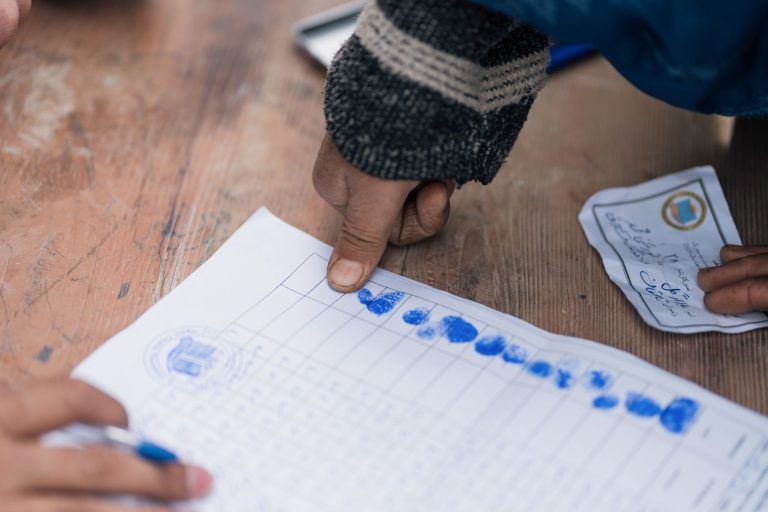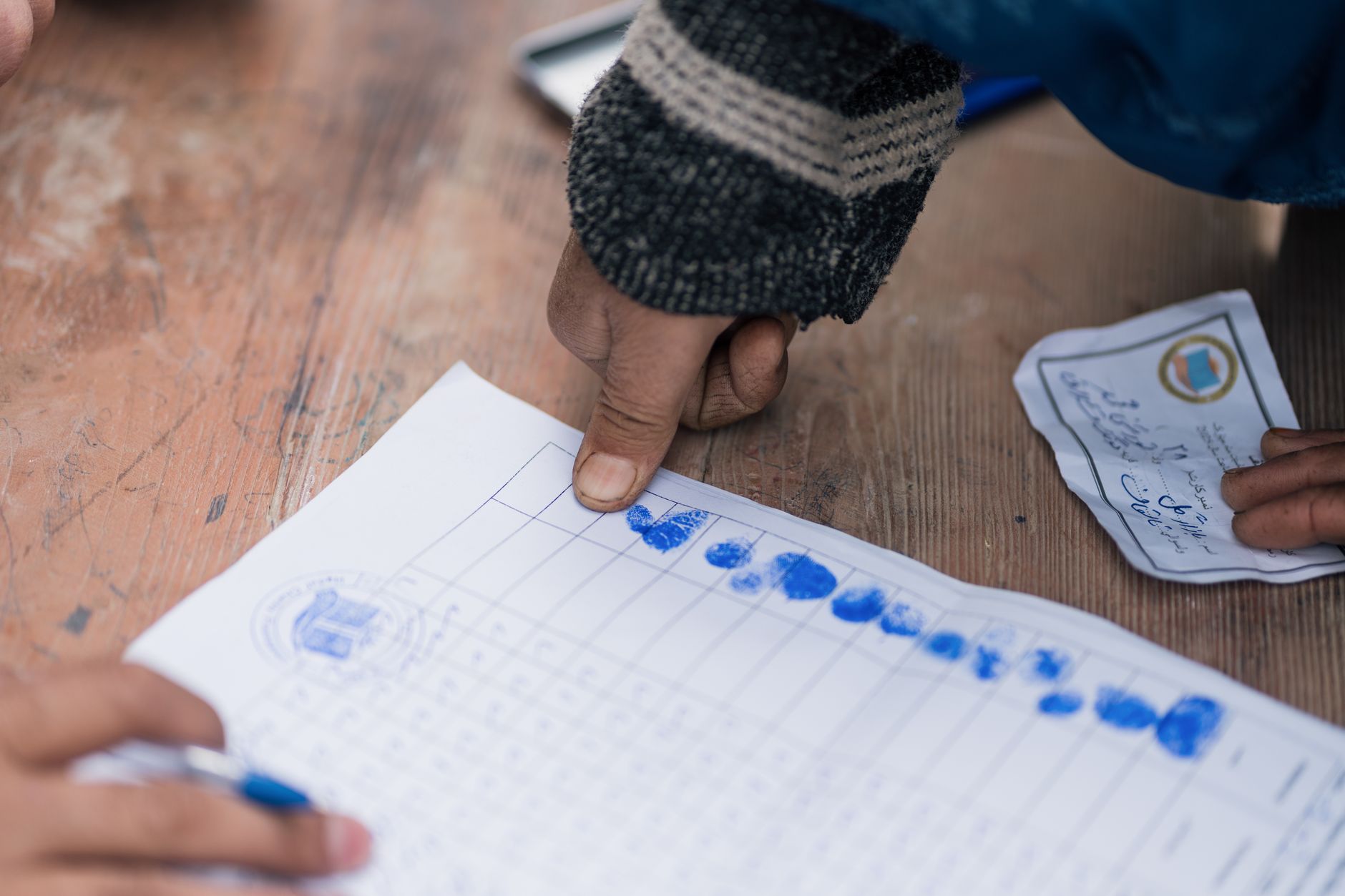
Rajasthan Panchayat Election Results are highly anticipated as voters await the declaration of winners and losers. This article provides essential details on the date and time for these results.
Overview of Rajasthan Panchayat Elections
The Rajasthan Panchayat Election Results have garnered significant attention as they reflect the political climate of the state. These elections, held across various districts, are crucial for local governance and community representation.
The results are expected to be announced shortly, providing insight into the successes and failures of various political parties. Observers are keen to analyze the outcomes and their implications for upcoming state and national elections.
Key points to consider regarding the Rajasthan Panchayat Election Results include:
- Voter Turnout: The enthusiasm of the electorate has been notable, with reports of high participation rates across multiple regions.
- Major Parties Involved: The elections have seen intense competition between major political players, which could reshape alliances.
- Impact on Local Issues: The elected representatives will have the responsibility to address pressing local concerns, from infrastructure to education.
As the results unfold, the focus will shift towards understanding the real outcome and its broader implications for Rajasthan’s political landscape.
Key Dates for Election Results
The Rajasthan Panchayat Election Results are eagerly awaited by many, as they will determine the local governance structure across the state. Here are the key dates that voters and candidates should note:
- Election Day: The elections were held on March 1, 2026, allowing voters to cast their ballots.
- Counting of Votes: The counting commenced on March 3, 2026, with the anticipation of results throughout the day.
- Announcement of Results: The official declaration of the Rajasthan Panchayat Election Results is expected by March 4, 2026, when winners will be announced.
- Post-Election Procedures: After the results, there will be a period for filing any disputes or challenges until March 10, 2026.
These dates are crucial for understanding the electoral landscape in Rajasthan and the implications of the Panchayat Election Results on local governance.
Impact of Results on Local Governance
The recent Rajasthan Panchayat Election Results have significant implications for local governance across the state. As local bodies play a crucial role in the implementation of developmental schemes, the outcome of these elections will influence various aspects of community life.
With several seats contested, the results reflect the shifting political dynamics and the priorities of the electorate. Voters have shown a clear preference for candidates who emphasize transparency, accountability, and effective service delivery. This shift is likely to lead to:
- Strengthened Local Leadership: Elected representatives are expected to take on more proactive roles in addressing community issues.
- Increased Citizen Engagement: The outcomes may spur greater involvement from citizens in local governance processes.
- Focus on Development: Winning parties are likely to prioritize infrastructure and social welfare programs to fulfill campaign promises.
Overall, the Rajasthan Panchayat Election Results signal a new chapter in local governance, one that could reshape the political landscape for years to come.
Previous Election Outcomes
The Rajasthan Panchayat Election Results have often reflected the political dynamics of the state, showcasing the shifting allegiances among various parties. In the previous elections held in 2020, the ruling party emerged victorious in a significant number of seats, securing a strong foothold in local governance. The outcomes were influenced by various factors, including caste dynamics, local issues, and the performance of incumbent representatives.
In contrast, the 2015 elections saw a more fragmented result, with a mix of independent candidates and smaller parties gaining traction. This shift indicated a growing discontent among voters, who were seeking alternatives to the major political parties.
As analysts await the Rajasthan Panchayat Election Results for 2026, they are closely examining the trends from past elections. Voter turnout and demographic changes will play crucial roles in determining the future landscape of local governance in the region. The evolving political scenario makes it essential to understand these previous outcomes to anticipate the possible trends in the upcoming results.
Voter Turnout Statistics
The Rajasthan Panchayat Election Results have sparked significant interest, particularly regarding voter turnout statistics. This year, the participation rate has shown a noteworthy increase compared to previous elections.
According to the latest data, the overall voter turnout for the 2026 Panchayat elections reached 72%, marking a 5% rise from the last election cycle. This surge in voter participation is being attributed to heightened awareness campaigns and the growing engagement of local communities in the electoral process.
Breaking down the statistics:
- Rural Areas: 75% turnout, reflecting strong community mobilization efforts.
- Urban Areas: 68% turnout, showing a slight increase compared to past elections.
- Women Voters: 70% participation, indicating a growing empowerment trend.
These voter turnout statistics from the Rajasthan Panchayat Election Results not only reflect the electorate’s enthusiasm but also signal a potential shift in local governance dynamics.
What to Expect After the Results
As the dust settles on the Rajasthan Panchayat Election Results, political analysts and local party leaders are gearing up to interpret the implications of the outcomes. With a shift in power dynamics potentially on the horizon, several key factors will shape the future of local governance in the region.
Firstly, the performance of different political parties will be scrutinized closely. Major parties such as the Congress and BJP are expected to reassess their strategies and focus areas based on their successes and failures in various districts.
Moreover, the results may lead to a realignment of alliances, affecting the governance landscape. Independent candidates who have made significant inroads could influence decision-making processes in the Panchayati Raj system.
In addition, the results will also impact the implementation of local development projects, as newly elected members will work to fulfill their campaign promises. Expect a period of adjustment and negotiation as the political landscape evolves in the wake of the Rajasthan Panchayat Election Results.
Analysis of Election Trends
The recent Rajasthan Panchayat Election Results have unveiled several noteworthy trends that could shape the political landscape in the state. As the dust settles, analysts are keenly observing the implications of these results on local governance and future elections.
One of the significant trends observed is the increasing influence of independent candidates. Many voters opted for candidates not affiliated with major political parties, signaling a shift towards prioritizing local issues over party loyalty. Additionally, the performance of regional parties illustrates a growing sentiment among voters seeking alternatives to traditional political structures.
Another critical factor is the role of youth engagement in these elections. With a substantial portion of the electorate being first-time voters, their participation appears to have swayed the outcomes in favor of candidates promoting progressive agendas.
In summary, the Rajasthan Panchayat Election Results highlight a complex interplay of voter sentiments, suggesting that future elections may further break the dominance of established parties in favor of more localized representations.
Photo by Faruk Tokluoğlu on Pexels
Where this came from
Related stories
- RECPDCL Senior Consultant Recruitment: Is It the Best Opportunity?
- RITES Project Manager Recruitment: Is It the Best Opportunity?
- DEPwD Director Recruitment: Easy Steps to Apply Offline
About the Author